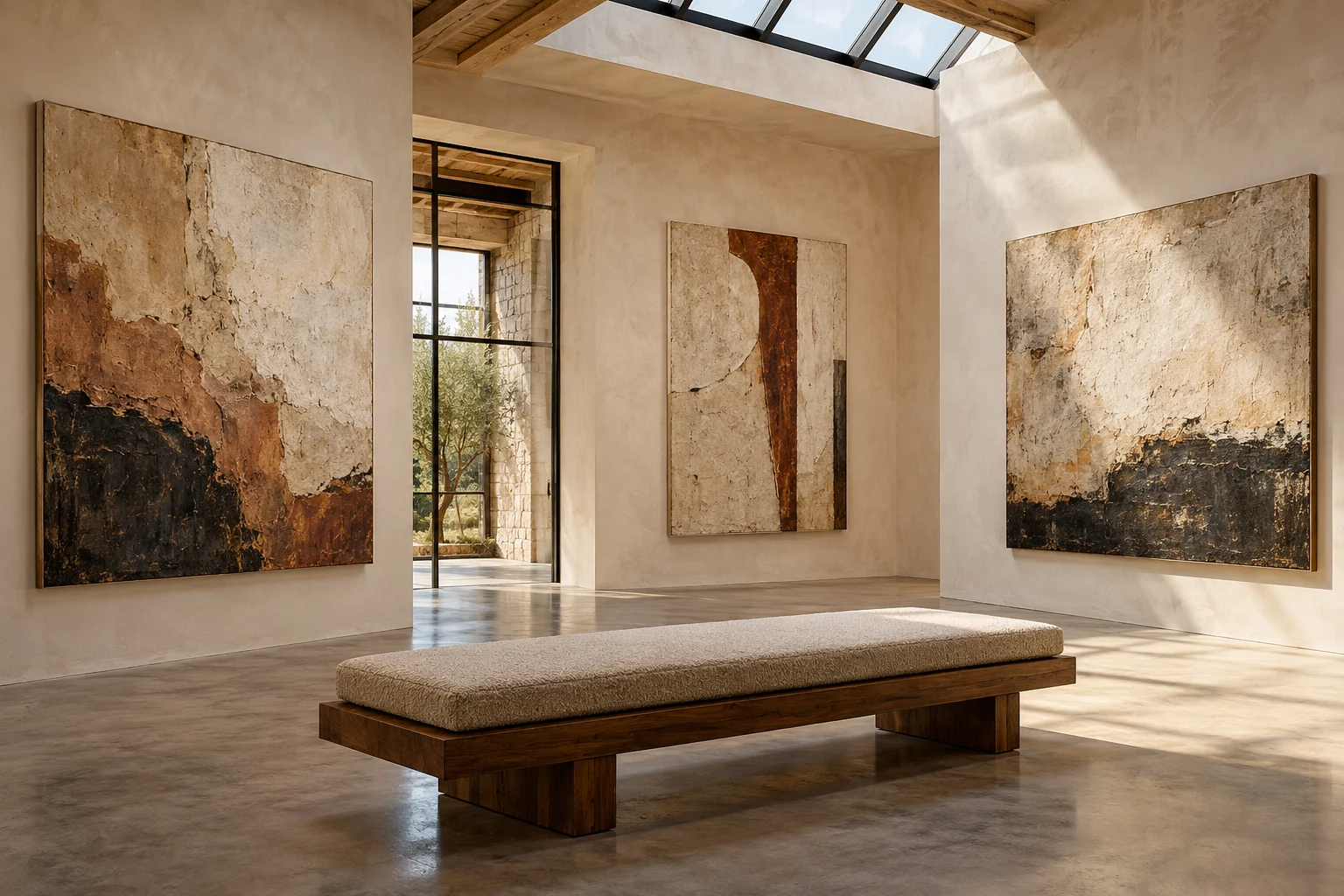
A single photograph can capture the essence of a moment, yet the image that hangs in a living room may not be the same image that serves a commercial purpose. For many, the decision begins with a visual preference—a pull toward a specific color palette, a certain lighting, or a particular mood. However, selecting an image for a public-facing project requires looking beyond the immediate aesthetic impact.
The Weight of Personal Preference
It is easy to fall in love with a photograph because of the memory it evokes or the way it complements a specific decor. This subjective connection is powerful, but it can create a conflict when that image is moved into a professional or public context. A photograph might be visually stunning, but its suitability depends entirely on what you intend to do with it. The tradeoff involves balancing your personal taste against the practical requirements of the medium, whether that is a printed brochure, a website, or a large-scale display.
For example, if you find a breathtaking shot of a North Texas sunset that you took on a personal trip, you might feel an immediate urge to use it as the centerpiece for a new business website. While the image is beautiful, you must consider whether the composition works for digital layouts or if the file quality can withstand the necessary scaling. The emotional resonance of the photo is a benefit, but it does not automatically satisfy the technical or situational needs of a professional layout.
Context and Permission
Beyond the visual, there is the matter of the story the image tells and who is allowed to tell it. Every photograph carries a history of its creation, including the subjects captured within the frame and the environment in which they sit. When an image moves from a private collection to a public platform, the context shifts. An image that feels candid and spontaneous in a personal album might require different considerations when used to represent a brand or a specific service.
Ask the creator of the image how the rights for use are structured. If you are working with a photographer, ask what specific permissions are included for your intended project and whether those permissions cover different types of media. If the image features identifiable people or private property, ask how those elements affect the ability to use the photograph for your specific purpose.
Navigating the Selection Process
Deciding on an image is a process of reconciling what you see with what you need. A photo that satisfies a visual craving might lack the necessary clarity for a high-resolution print, while a technically perfect image might feel sterile or uninspired. To resolve this, look at the image through two different lenses: first, as a viewer moved by the art, and second, as a strategist looking at the functional requirements of the task at hand.
Before finalizing your choice, ask yourself if the image serves the specific goal of the project or if it is merely a distraction. By weighing the aesthetic pull against the practicalities of permission and utility, you ensure that the chosen photograph supports your objective rather than complicating it.