This is a paid partner contribution. Commercial relationships are disclosed so readers can distinguish sponsored content from editorial guides.
A new sign serves as a physical marker for a business, sitting at the intersection of branding and utility. Whether it is a small directional marker near an entrance or large monument signs dallas, the decision involves more than just selecting a font or a color. It requires a close look at how a proposed design interacts with the actual environment of your property.
Evaluating the Physical Context
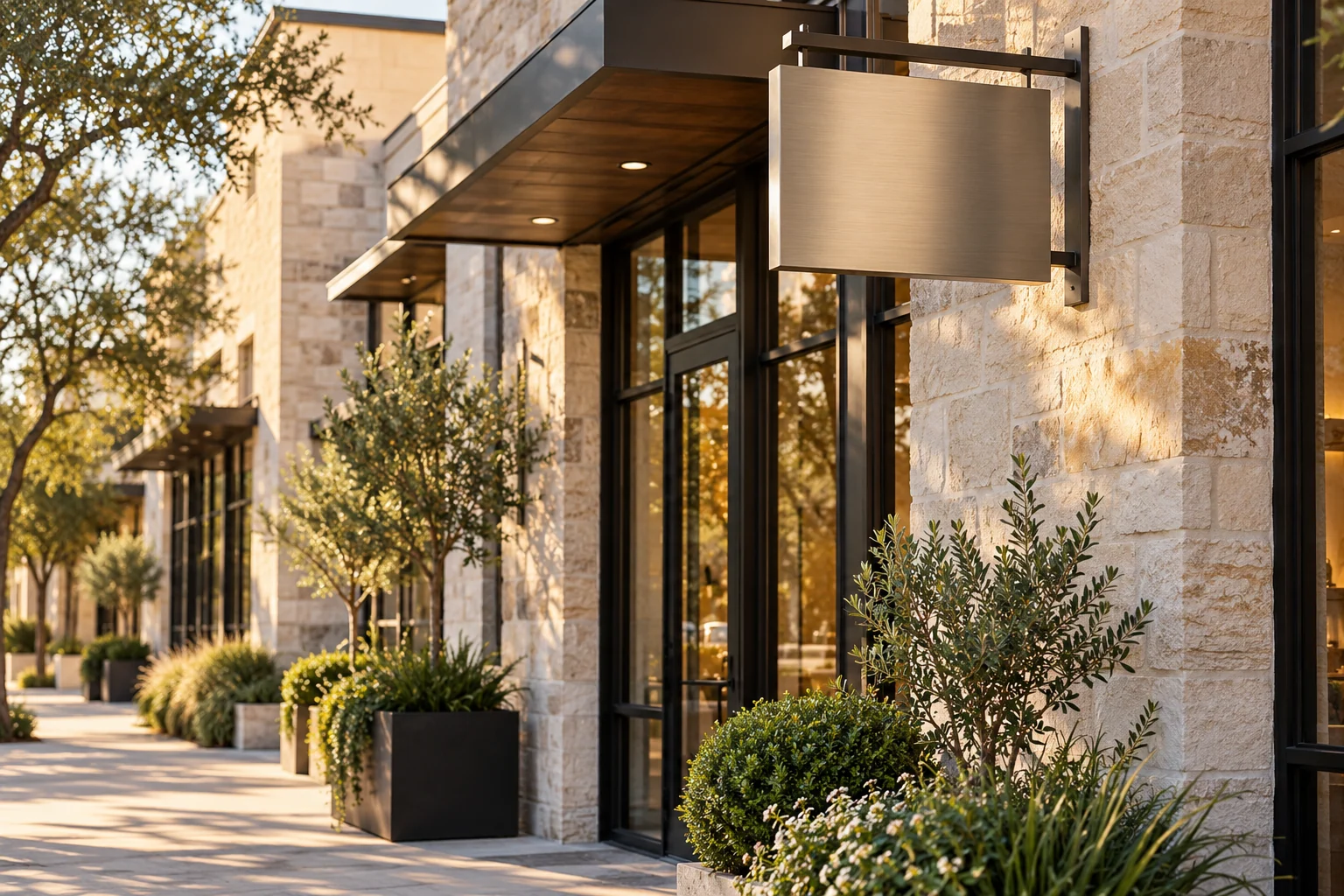
Every storefront or office park presents unique challenges. A sign that looks striking in a digital mockup may face different realities once installed. Lighting, distance from the street, and the texture of the mounting surface all influence how a sign is perceived by someone passing by. When reviewing a proposal, look closely at how the suggested materials and dimensions account for your specific location.
For example, if you own a business located on a corner with heavy tree cover, a sign that relies on subtle illumination might be obscured by shadows during certain times of the day. In this scenario, you might weigh the tradeoff between a sleek, low-profile design and a more prominent, high-contrast option that maintains visibility through the foliage. Consider how the sign will look during a Texas thunderstorm or under the midday sun.
Comparing the Specifics
When you receive multiple quotes, the differences often hide in the fine print of the project scope. A lower price point does not always indicate a better value, just as a higher price does not inherently guarantee a better result. The goal is to ensure that the proposal addresses the exact needs you have identified for your premises.
Ask the provider which materials are being suggested for your specific environment. Inquire about the installation process and what is included in the quoted labor. You might also ask how the proposed design handles the specific visibility constraints of your street or parking lot. If a proposal seems vague, ask for clarification on the dimensions, the weight of the materials, and the method of attachment.
Preparing for the Consultation
Before meeting with a sign professional, gather the necessary details about your site. Having a clear understanding of your goals allows for a more productive conversation. Note the specific areas where you need more visibility and identify any existing signage that needs to be removed or integrated into a new look.
You may find it helpful to keep a folder of images showing the specific angles and lighting conditions of your property. This helps the professional see what you see. Staying updated on local trends or recent updates through news from FASTSIGNS Fair Park can also provide context for your discussions. By focusing on your actual site requirements rather than generic aesthetics, you can select a solution that works for your business long after the installation is complete.


