This is a paid partner contribution. Commercial relationships are disclosed so readers can distinguish sponsored content from editorial guides.
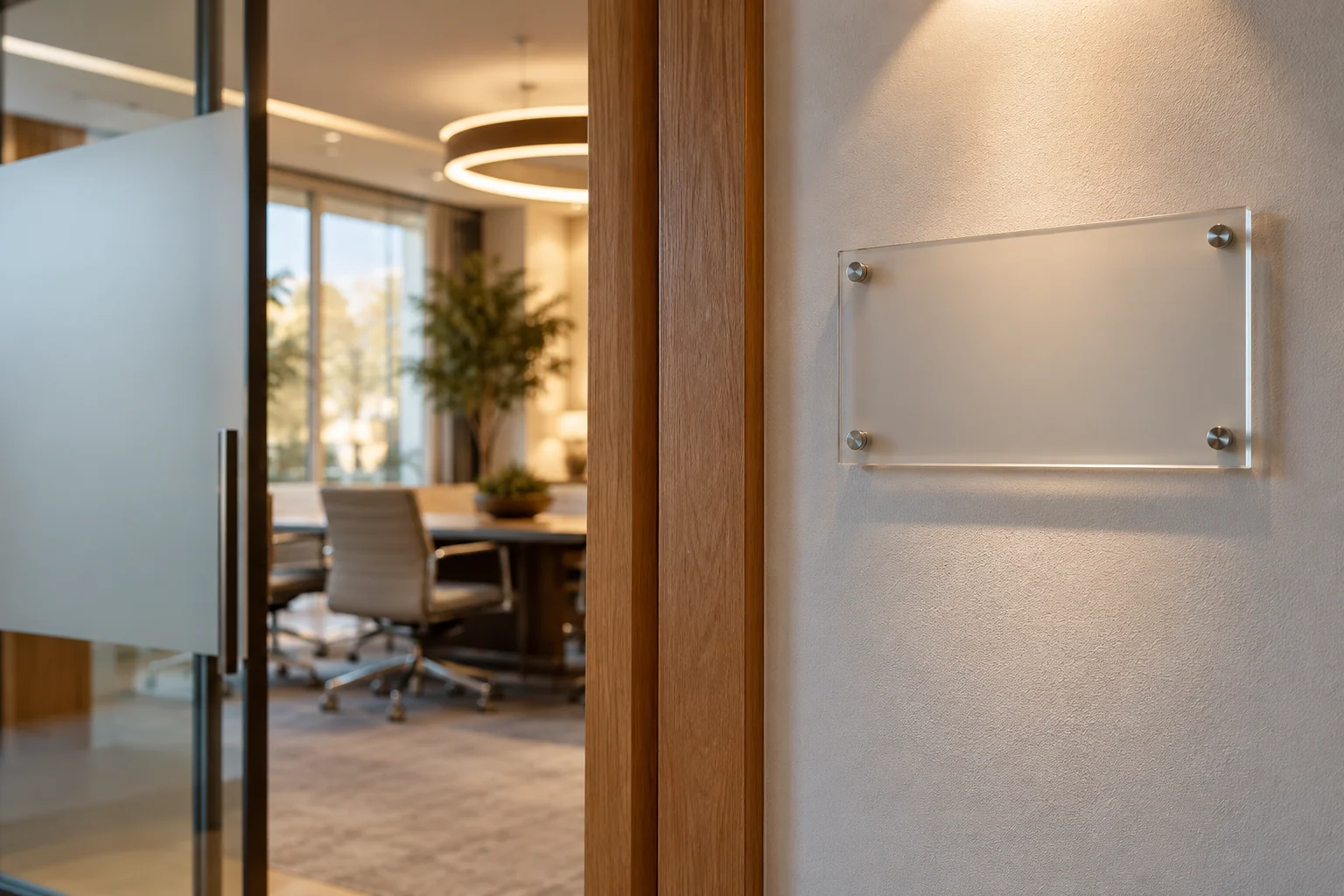
A blank wall in a storefront or a quiet corner of an office lobby represents a choice. You can leave the surface untouched, or you can use it to communicate something specific to the people walking through your doors. Deciding how to transform that space involves weighing the visual impact of different materials against the specific atmosphere you want to create for your visitors.
Defining the visual goal
Before reaching out to a south dallas sign company, take a moment to walk through your own space. Observe how light hits the walls and where eyes naturally settle. Are you looking to guide people toward a reception desk, or are you interested in using wall graphics Dallas to change the mood of a large room? Identifying whether your priority is wayfinding, branding, or purely aesthetic decoration will change the nature of your initial conversation.
For example, if you own a boutique, you might prioritize subtle, elegant textures that complement your merchandise. In contrast, a busy medical clinic might require high-contrast lettering that makes room numbers instantly recognizable from a distance. The tradeoff here is between a design that serves as a quiet backdrop and one that acts as a bold focal point.
Gathering your spatial details
A productive first meeting relies on the information you provide. Rather than relying on estimates, try to collect precise measurements of the areas you are considering. Note the texture of the surfaces—smooth drywall behaves differently than brick or textured plaster. Consider the lighting conditions as well; a sign that looks vibrant under midday sun might appear washed out under dim, recessed evening lights.
It is also helpful to have a collection of images or descriptions that capture the style you envision. Having these references ready allows you to describe a "modern" or "industrial" look without needing to master design terminology. This preparation ensures the discussion stays focused on your specific environment rather than abstract concepts.
Asking the right questions
Once you sit down to discuss your project, the quality of the outcome depends on the clarity of the dialogue. Instead of assuming a specific material will work for your needs, ask the professional how their recommendations address the specific dimensions and lighting of your room. You might ask how different finishes respond to high-traffic areas or how the installation process affects your daily operations.
Inquire about the details of the proposed arrangement, including how the materials are applied and what the timeline for the project looks like. By focusing on how the visual elements integrate with your existing routine and physical space, you move from a general idea to a concrete plan. Bringing your measurements, your style references, and a list of questions about your specific environment will help you navigate the transition from a blank wall to a finished space.


