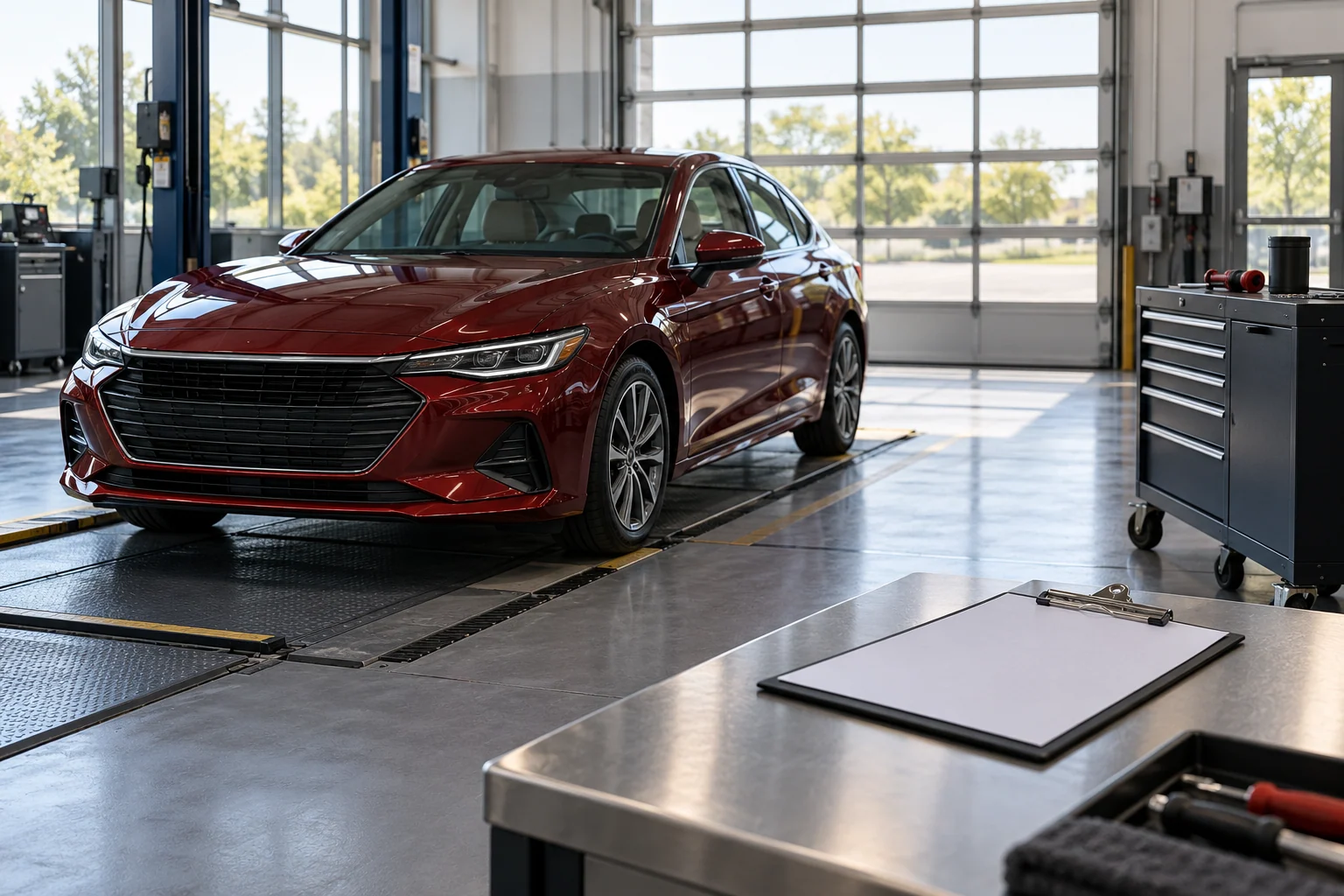
A crumpled piece of paper or a vague verbal instruction can leave a significant gap between how you envision your vehicle looking and how it arrives back in your driveway. For many drivers, the decision to address cosmetic imperfections becomes a cycle of hesitation. You notice a scuff on the bumper or a dull patch on the hood, you intend to fix it, and then you set the task aside, only to find yourself staring at the same blemish weeks later without having moved closer to a solution.
Observing the Surface
The cycle of indecision often stems from a lack of clarity regarding what actually needs attention. When you finally decide to visit a local shop, the first step is to move from a general sense of dissatisfaction to a list of concrete observations. Rather than telling a technician that the car looks "tired," look closer at the specific textures and colors. Is the damage a deep scratch that reveals a different color underneath, or is it a superficial mark on the clear coat? Does the discoloration appear consistent across the entire panel, or is it localized to a single area?
Documenting these specific visual cues allows you to present a clear picture of the current state of the vehicle. This level of detail helps move the conversation away from subjective opinions and toward a shared understanding of the physical reality of the car.
Defining the Desired Result
A meaningful tradeoff exists between a quick fix and a complete restoration. For example, if you are preparing a vehicle for a long-term commitment, you might prioritize a seamless finish that matches the original factory luster. However, if you are simply trying to tidy up a daily driver, you might prioritize speed and cost-effectiveness.
Imagine you are looking at a door that has sustained several small door dings and a long, thin scrape. You must decide if your goal is to have that door look as though the incident never occurred, or if you simply want the scrape to be less visible from a distance. This distinction changes the nature of your request. Ask the professional how their proposed work addresses the specific appearance you have described and whether the result will be a uniform finish across all affected surfaces.
Streamlining the Handover
Once you have your observations and your desired outcome, the logistics of the drop-off become much simpler. A written note can serve as a vital communication tool. Instead of a long narrative, use a structured format: list the specific areas of concern, describe the expected appearance, and note any existing damage that is unrelated to the current repair to avoid confusion later.
When you hand over the keys, use the opportunity to clarify the boundaries of the work. Ask the shop what the specific scope of the service includes and how they intend to handle any unexpected findings once the work begins. By focusing on these specific questions and providing clear, observational data, you can break the cycle of indecision and ensure the service aligns with your expectations.


