This is a paid partner contribution. Commercial relationships are disclosed so readers can distinguish sponsored content from editorial guides.
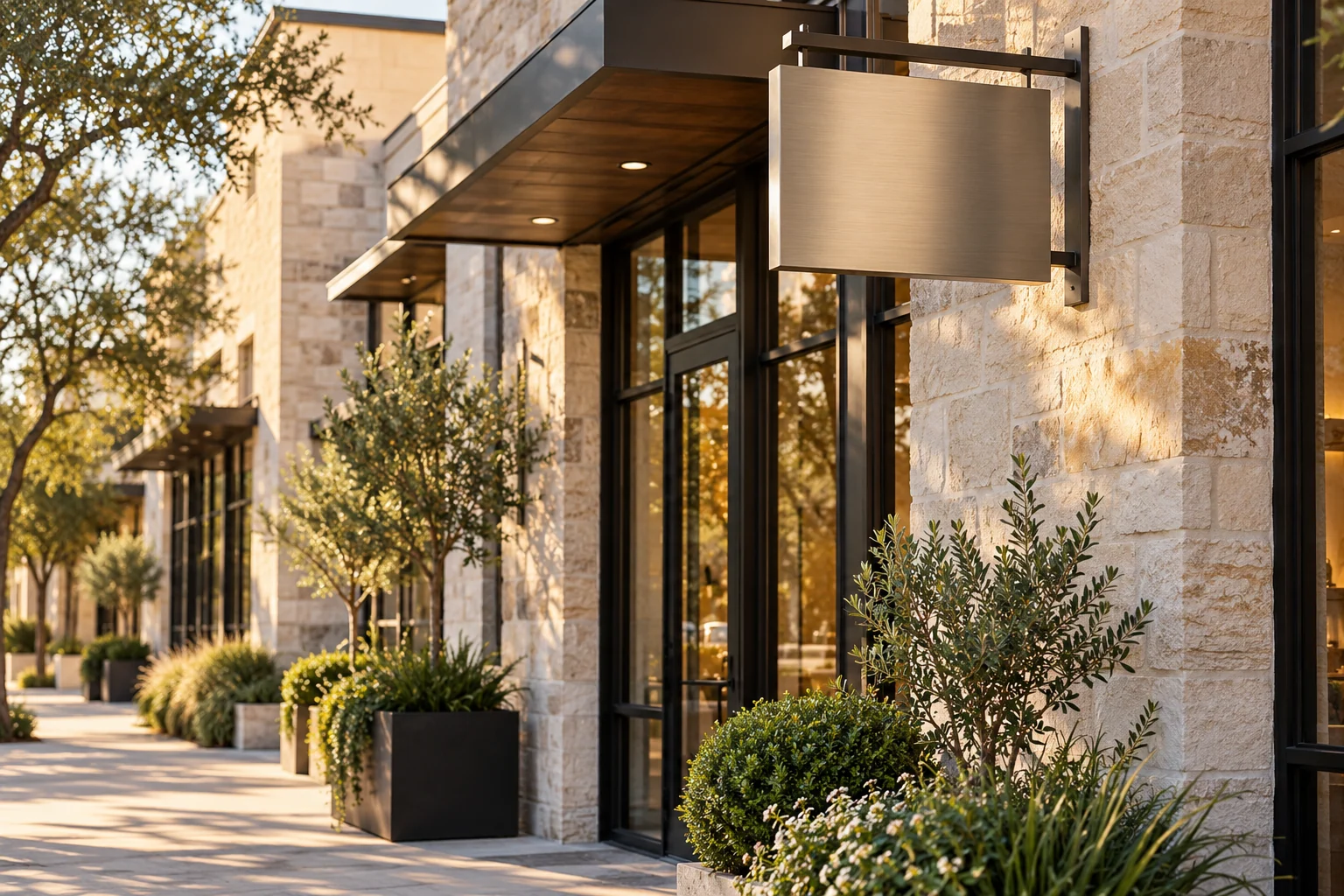
A new sign sits at the center of a physical space, acting as a focal point for everyone who walks past. Deciding on a new look for a building or an interior office space involves more than just choosing a color or a font. It requires a coordinated effort between the person with the vision, the person designing the graphics, and the person physically installing the materials. When these pieces of information are scattered across different emails, notes, and conversations, the final result may not match the original intent.
Managing the Moving Parts
The process of visual updates often involves several stakeholders. You might have a business owner who understands the brand, a graphic designer who creates the digital files, and a contractor who manages the physical site. Each person holds a different piece of the puzzle. The owner knows the budget and the brand values; the designer knows the color codes and scale; the installer knows the mounting requirements and the surface texture of the wall.
For example, if a shop owner decides on a specific shade of blue for their exterior signage, that information must travel accurately from the owner to the designer, and then to the manufacturer. If the designer uses a different digital profile than the one the owner intended, the blue on the sign might look different than the blue on the business cards. Keeping a single, shared record of these specifications can help prevent these discrepancies.
Evaluating the Site and the Design
Before any materials are ordered, the physical environment must be considered alongside the creative vision. A design that looks striking on a computer screen might interact differently with sunlight, shadows, or the texture of a brick wall. There is a tradeoff between a highly intricate, detailed design and one that remains legible from a distance or in varying light conditions. A design with many fine lines might be beautiful up close, but it may lose its impact when viewed from a passing car.
When preparing to discuss your project, consider the following observations about your space: How much light does the area receive throughout the day? What is the texture of the surface where the sign will live? How far away will your customers be when they first see it? Having these details ready allows for a more precise conversation about what is possible.
Preparing for the Conversation
Moving from a concept to a finished product requires clear communication. Rather than assuming everyone is on the same page, it is helpful to ask specific questions to bridge the gap between design and installation. You might ask a professional how a specific material will hold up against the local weather or how a particular mounting method will affect the building's surface. It is also useful to ask who will be responsible for measuring the site and who will provide the final proofs for approval.
To begin organizing your project, you can contact FASTSIGNS Fair Park to discuss your specific needs. Whether you are looking for business signs dallas or interior branding, the most effective way to ensure a cohesive result is to gather your measurements, brand colors, and site photos before the first consultation. Bringing these organized details to the table helps ensure that the final installation reflects the vision you have for your space.


