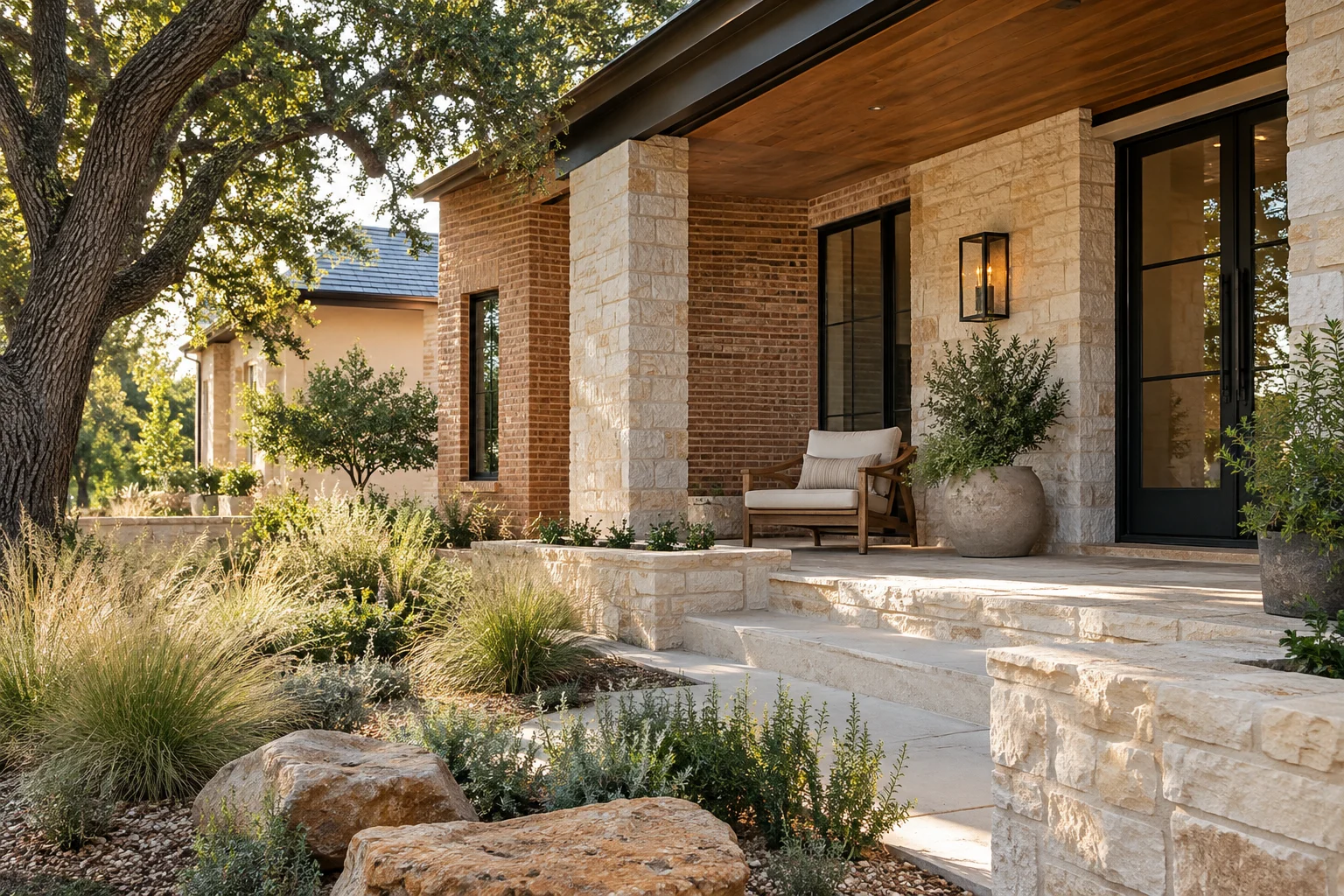
The moment a door swings open, a silent negotiation begins. There is the heavy bag from a grocery run, the ring of keys, the mail that needs sorting, and perhaps a pair of shoes that shouldn't be in the hallway. For many homeowners, the entryway is a site of constant, low-level friction. You might find yourself staring at a bare wall or a cluttered console table, unable to commit to a specific layout because you cannot quite visualize how your family actually moves through the space.
The weight of the first step
This hesitation often leads to a cycle of indecision. You look at minimalist benches in magazines, only to realize they offer no place for a charging phone. You consider sleek hooks, but worry they won't support the weight of a heavy work bag. This loop of reopening the decision without new information keeps your foyer in a state of permanent transition, neither functional nor finished. Clarity rarely comes from a catalog; it comes from observing the actual movement of your household.
Balancing form and flow
Designing this zone requires a tradeoff between visual elegance and the messy reality of household routines. A high-end marble table looks stunning in a photograph, but it offers little utility for a child dropping a damp umbrella or a spouse setting down a heavy set of tools. Conversely, a heavy-duty mudroom setup might solve the clutter problem but could feel out of place in a formal entryway. The decision is rarely about choosing between "good" and "bad" options, but rather between different types of utility.
For example, if you are deciding between a built-in cabinetry unit and a collection of individual furniture pieces, consider the footprint. A built-in unit provides a dedicated, permanent home for every item, but it is a significant commitment to a single configuration. A collection of smaller pieces—a standalone bench, a wall-mounted key rack, and a small basket—offers the flexibility to change the arrangement as your needs evolve, though it may lack the cohesive look of custom work. You must decide if you value the permanence of a fixed solution or the agility of movable objects.
Testing the arrangement
Before committing to expensive carpentry or heavy furniture, observe the patterns of your own life. You might try a temporary arrangement using existing items to see where the natural "drop zones" emerge. Does the mail pile up on the floor? Do the keys migrate to the kitchen counter instead of the entryway? These observations provide the data necessary to break the cycle of indecision. If you find that items are consistently landing in one specific spot, that spot is your priority for design.
If you are considering a more permanent structural change, such as installing custom built-ins or changing the flooring, seek out a local specialist. Ask a designer or a contractor how their proposed layout accounts for the specific dimensions of your daily items, such as your largest bags or most frequent deliveries. You might also ask how the materials they suggest will hold up to the specific wear and tear of your household's movement.
To move past the stalemate, stop looking for the perfect design and start looking for the right utility. Once you have identified the specific items that cause the most clutter, you can choose a solution that prioritizes those needs over a generic aesthetic. The goal is not a showroom, but a threshold that supports your arrival home.

