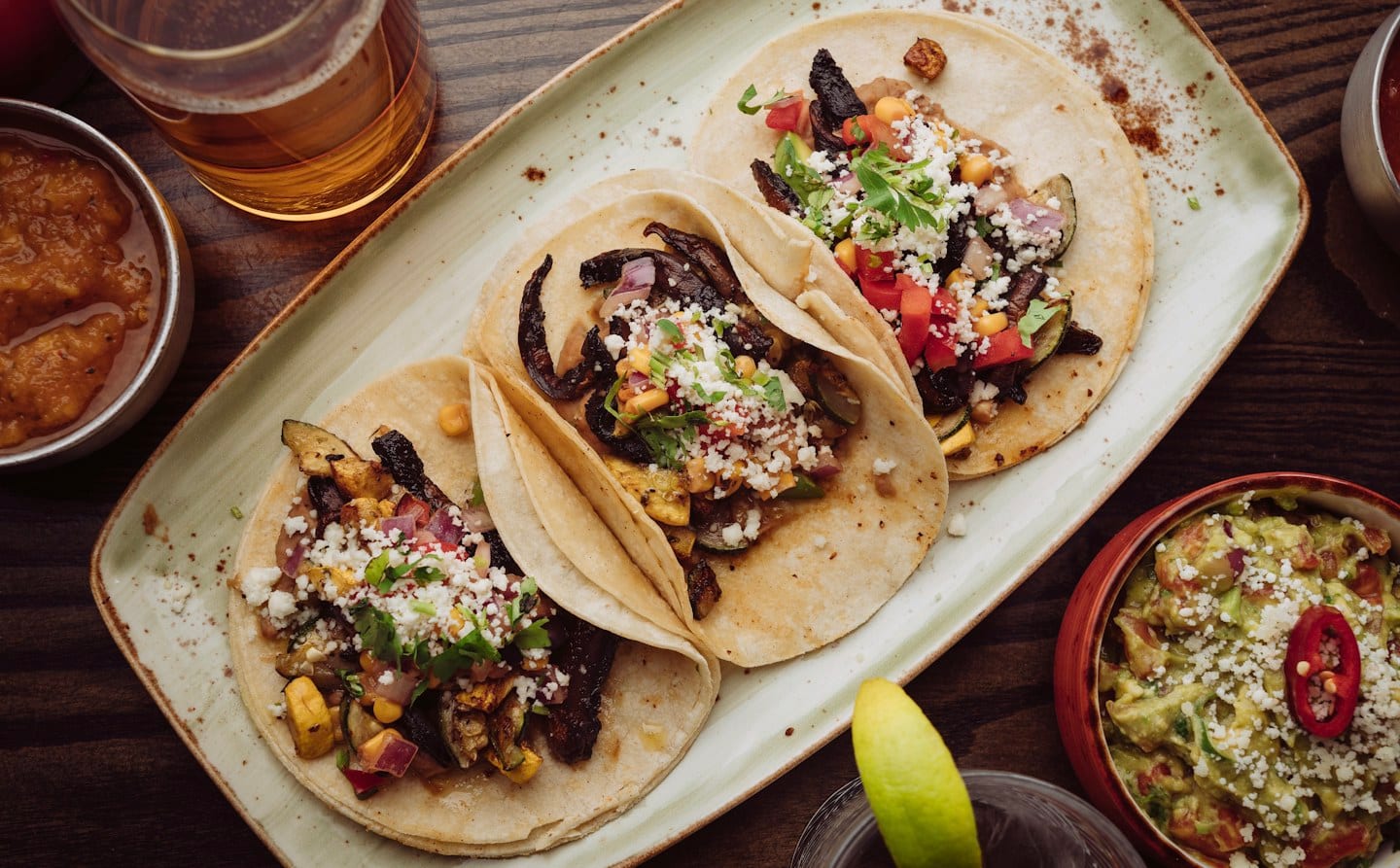
The smartphone screen glows with the same three tabs you have kept open since Tuesday. You have scrolled through the same menu, checked the same street view, and read the same handful of reviews, yet the decision remains unmade. This cycle of reopening the same digital window offers the illusion of progress, but without fresh information, it is merely a loop of hesitation. In North Texas, where dining options are as varied as the weather, the paralysis of choice often stems from a lack of certainty rather than a lack of options.
The weight of the primary choice
When you decide on a single main destination for a meal, that venue carries the entire weight of the evening. If the kitchen is closed for a private event or the seating arrangement does not suit your group, the entire outing falters. The mistake is assuming that the digital footprint of a business is a live broadcast. Menus change, seasonal shifts alter availability, and even long-standing hours can fluctuate due to staffing or local events.
For example, if you have spent an hour debating between a quiet bistro and a lively gastropub, you might find that the bistro has moved to a seasonal menu that excludes your preferred proteins, or the gastropub has transitioned to a limited service model on the night you planned to visit. The time spent debating the merits of each is wasted if you arrive to find the reality does not match the static image on your screen.
Managing the secondary stop
A common way to ease the pressure of a single decision is to plan a secondary location—perhaps a nearby bakery for dessert or a different lounge for a nightcap. However, treating this second stop as a mandatory requirement adds another layer of research to an already heavy mental load. Instead, treat the second location as a possibility that exists only if the first destination leaves you wanting more.
By keeping the second stop optional, you reduce the complexity of your initial decision. You are no longer choosing a multi-stage itinerary; you are simply choosing a meal. If the main course is exceptional and the atmosphere is perfect, the need for a second location disappears. If the primary venue is underwhelming, you have the freedom to pivot without the frustration of a failed, multi-step plan.
Moving toward a firm decision
To break the loop, transition from passive browsing to active verification. Instead of reading a review from six months ago, contact the establishment directly. Ask the staff if the specific menu items or seating preferences you are considering are available for your intended time. Confirm whether they are currently operating under any modified schedules that might impact your visit.
Once you have asked these questions and received direct answers, close the tabs. The goal is to replace digital uncertainty with verified facts. Choose the venue that meets your confirmed criteria, leave the secondary location as a mere thought, and commit to the evening.