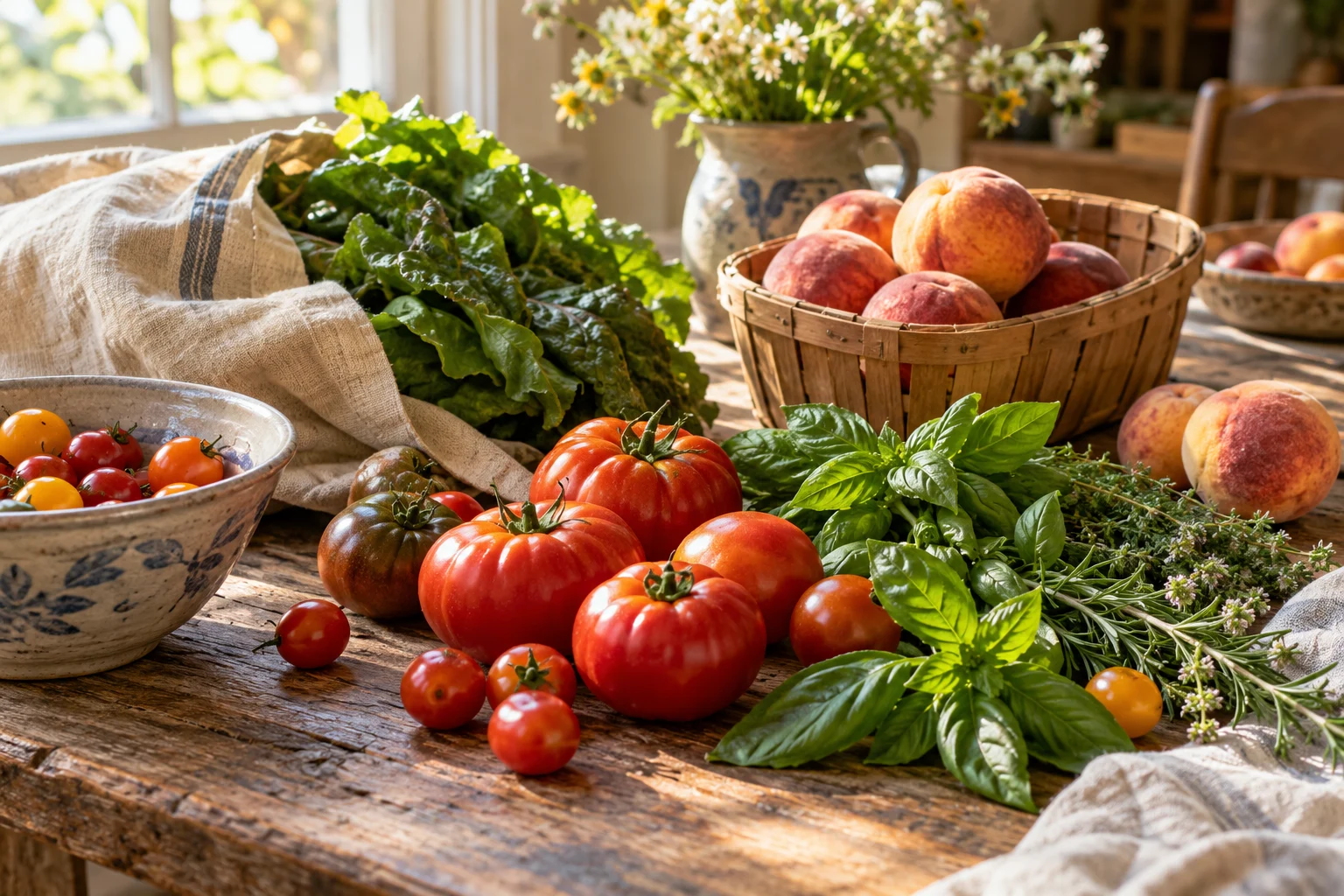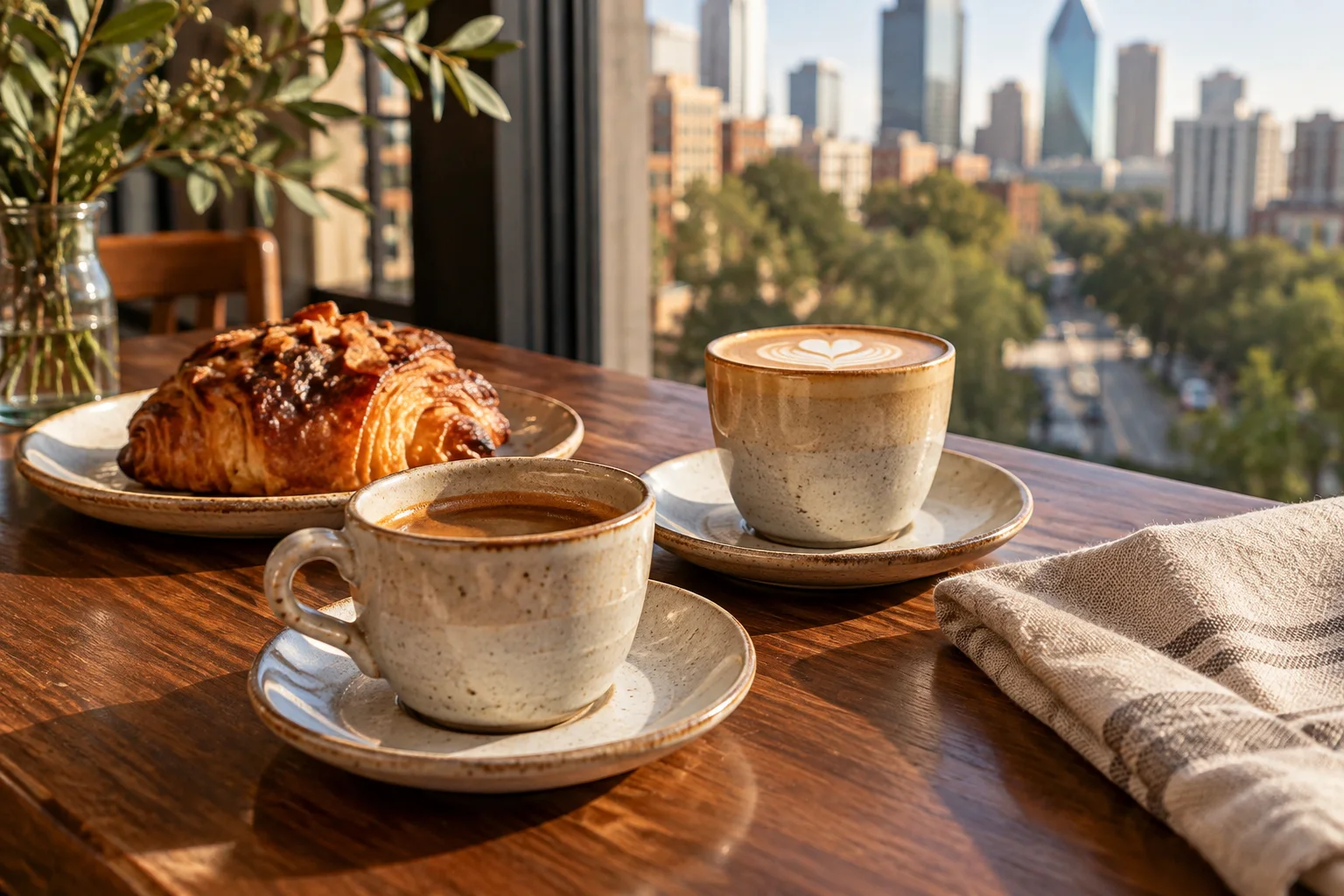
A handwritten recipe is rarely a finished document; it is a starting point. Whether it is a family heirloom passed down through generations or a scrap of paper from a favorite North Texas bistro, the original text provides the foundation. However, as kitchens evolve and ingredients shift, the gap between the printed instruction and the actual meal often grows.
Capturing the Evolution
The challenge for many home cooks is not finding recipes, but documenting how those recipes change over time. A standard cookbook tells you how a dish was intended to be made, but it does not record how you actually made it last Tuesday. To build a truly useful culinary record, one must account for the original source, the specific substitutions made during the process, and the eventual reaction from those sitting at the table.
Consider the difference between a static list of ingredients and a living journal. A static list might call for a specific spice or a particular brand of fat. A living journal records that you swapped the requested oil for something else you had on hand, and more importantly, it notes whether that change improved the texture or dulled the flavor. This creates a feedback loop that turns a simple instruction into a personal expertise.
Managing the Paper Trail
For those living in modern homes where kitchen counters are precious and pantry space is limited, the traditional bulky recipe box can become a source of clutter rather than a tool of convenience. When physical space is at a premium, the decision becomes a tradeoff between the tactile satisfaction of a paper ledger and the streamlined efficiency of a digital archive.
For example, if you choose a digital approach, you gain the ability to search for keywords instantly and attach photos of the finished plate. However, you lose the ability to flip through pages with flour-dusted fingers without risking damage to a device. If you stick to paper, you face the physical reality of growing stacks of loose notes. You might find yourself choosing between a slim, dedicated notebook that limits your total collection or a larger binder that offers more room for expansion but demands more shelf space.
Refining the Personal Archive
If you decide to transition your collection into a more organized format, you must decide how to categorize your successes and failures. A meaningful journal does not just list what worked; it highlights the experiments that did not. Recording that a specific substitution resulted in a dish that was too salty or too dry is just as valuable as recording a triumph.
When deciding how to structure your new system, consider how much information you actually need to retrieve. Ask yourself whether you prefer a chronological log of everything you cook or a curated collection of your most reliable hits. The goal is to create a resource that reflects your specific palate and the realities of your kitchen, ensuring that your next culinary experiment is informed by everything you have already learned.