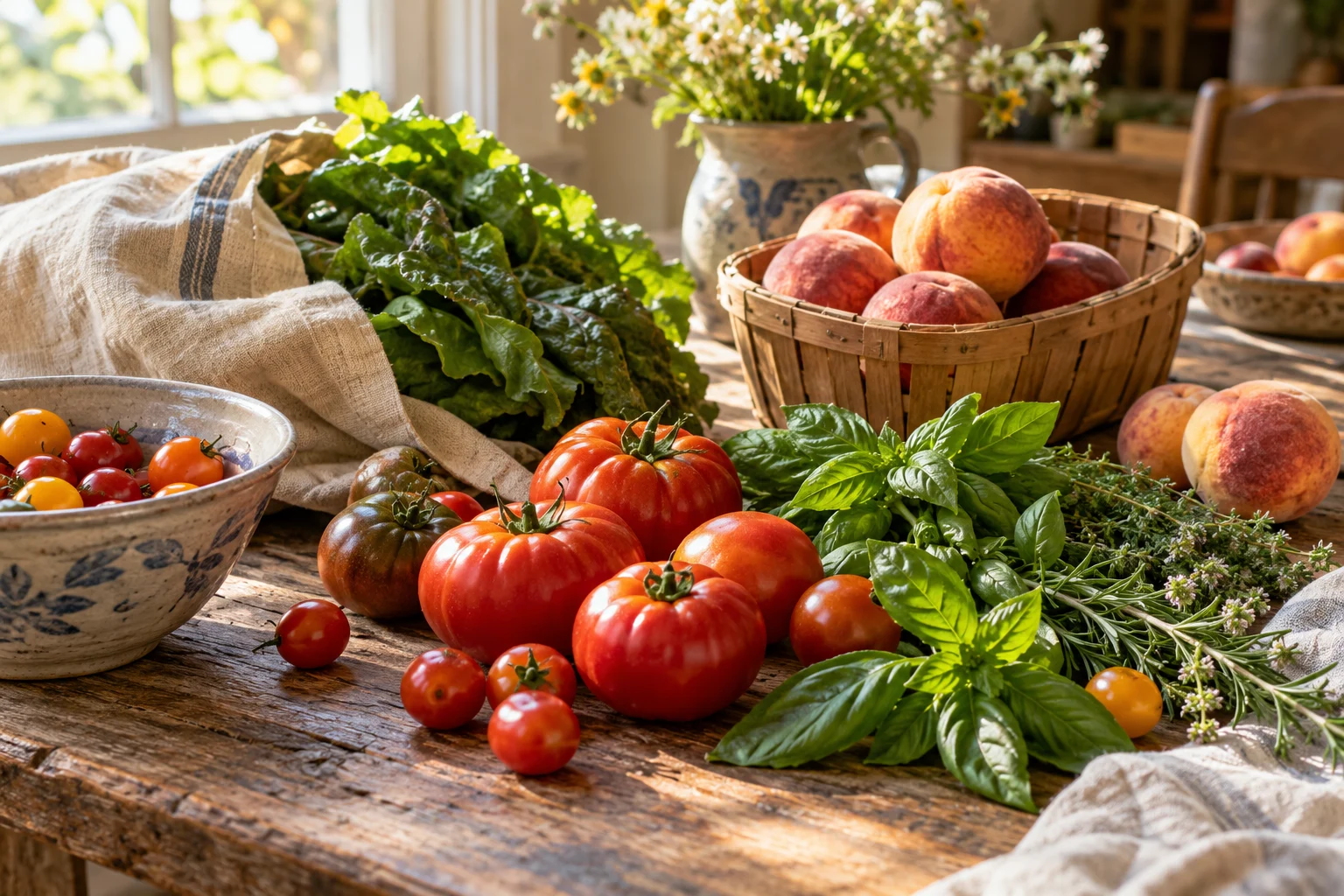
A small, curated selection of ingredients from a local market can serve as the foundation for entirely different culinary directions. Rather than viewing a grocery trip as a search for a single, rigid recipe, consider how a specific set of items might pivot between various textures and flavor profiles depending on how you choose to prepare them.
The core selection
Imagine you have selected three specific items: a bunch of fresh basil, a block of hard cheese, and a bag of heirloom tomatoes. On their own, these ingredients are distinct, but together they offer a crossroads of possibilities. The decision rests on whether you want to lean into a warm, comforting preparation or something lighter and more structured.
For example, if you choose to slice the tomatoes and layer them with the cheese and torn basil, you have the basis for a cold, sliced salad. If you instead decide to dice the tomatoes and melt the cheese over them in a pan, the character of the meal shifts toward a warm topping or a savory sauce. The ingredients remain the same, but the experience changes based on the application of heat and the way you manipulate the textures.
Balancing texture and heat
When making these choices, you encounter a meaningful tradeoff between the crispness of raw ingredients and the softness of cooked ones. A raw preparation preserves the bright, sharp notes of the basil and the acidity of the tomatoes. A cooked preparation, however, allows the cheese to become creamy and the tomato juices to thicken, creating a much heavier, more cohesive dish.
Deciding which path to take often depends on the time of day or the specific atmosphere you want to create. A raw assembly feels quick and refreshing, whereas a pan-seared version requires more active attention to how the cheese reacts to the heat. There is no single correct way to use the basket, only different ways to prioritize the qualities of what you bought.
Refining your approach
As you begin to experiment with these small ingredient sets, you might find yourself wanting to expand your repertoire. If you are looking to move beyond simple combinations, you could ask a local grocer or a specialty vendor how they suggest pairing seasonal items to maximize variety. You might also ask a culinary professional how different cooking temperatures affect the structural integrity of delicate herbs like basil.
The next time you stand in an aisle with a few items in your basket, pause to consider the secondary paths they offer. Instead of looking for a single outcome, look for the potential for two or three different meals. By focusing on how a few versatile components can be transformed, you turn a simple errand into a series of deliberate, creative choices.