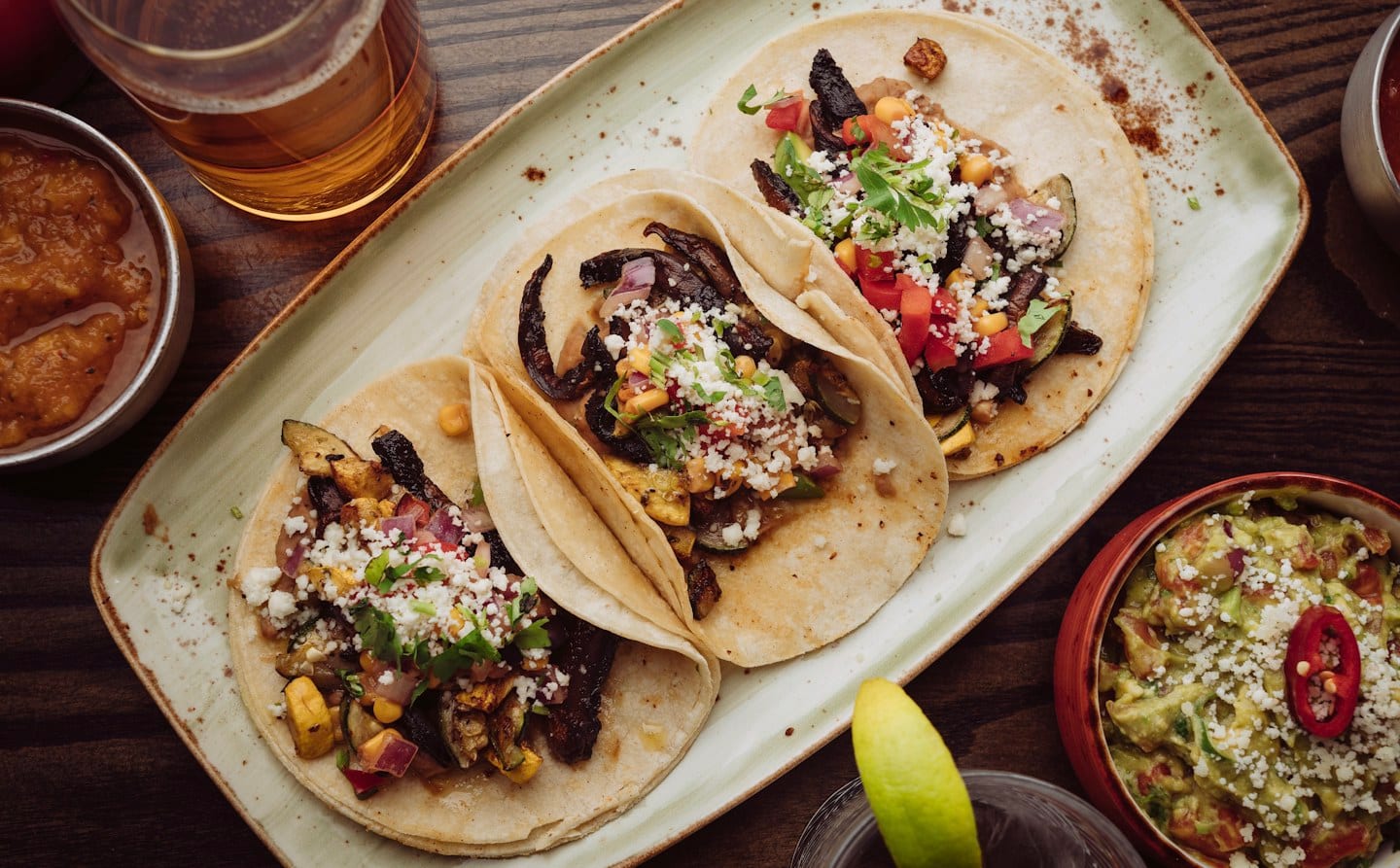
A brown paper bag sits on the dining room table, heavy with the promise of a quiet evening. But as the lids are lifted, the excitement fades into a familiar rhythm of disappointment: a side dish is missing, a requested modification was overlooked, or the spice level is entirely different from what was intended. For many, the decision of what to order becomes a cycle of hesitation, where you weigh the menu repeatedly without ever feeling certain that the result will match your expectation.
The Weight of Indecision
We often find ourselves stuck in a loop of menu-scrolling, reopening the same digital storefront or staring at the same printed flyer. This hesitation usually stems from a lack of clarity rather than a lack of options. You might wonder if a certain substitution is possible or if the kitchen can accommodate a specific preference without compromising the meal. Instead of waiting for a sign or a new menu update that will never come, the solution lies in the information you gather before the order is even placed.
For example, if you are ordering for a group of four, the mental load of ensuring every individual preference is captured can lead to total paralysis. You might spend twenty minutes debating between two different cuisines, only to realize you are actually worried about whether the local bistro can handle a specific request for a sauce on the side. The tradeoff here is between the comfort of the familiar and the potential variety of something new, weighed against the risk of a botched order.
Clarifying the Customization
The most effective way to break the cycle of indecision is to move from passive browsing to active inquiry. When a menu presents a dish that is almost—but not quite—what you want, do not guess at the kitchen's flexibility. Ask the provider how they handle specific modifications to a standard recipe. Inquire whether certain ingredients can be separated or if a particular adjustment changes the way the dish is prepared.
Once the order is placed, the focus shifts to organization. A common pitfall in multi-person households is the "mystery bag," where several different meals are crowded into a single container. To prevent the confusion of who gets which entrée, suggest that the restaurant label the individual containers or bags. If they cannot, consider bringing your own discreet markers or using small, separate bags to keep the orders distinct.
Refining the Routine
To transform takeout from a source of stress into a reliable convenience, treat the ordering process as a brief exchange of information rather than a solitary guessing game. By asking the right questions about substitutions and ensuring the provider understands how to separate the components of your meal, you remove the variables that cause hesitation. The next time you find yourself staring at a digital menu for the tenth time, stop searching for a new option and start asking how the current ones can be tailored to your exact needs.